Italian Greyhound
Italian Greyhound
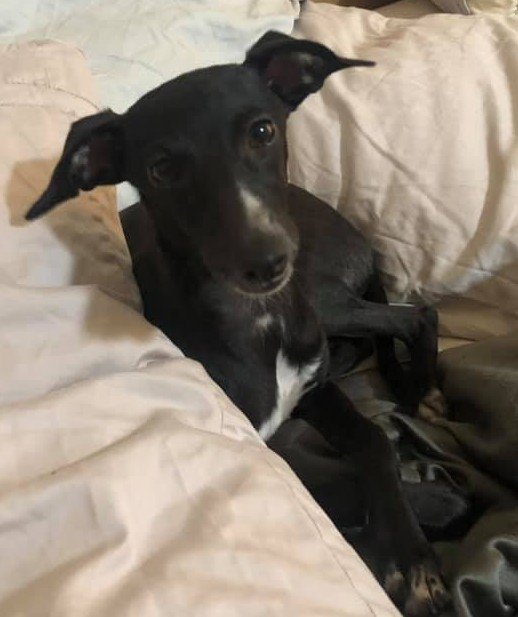
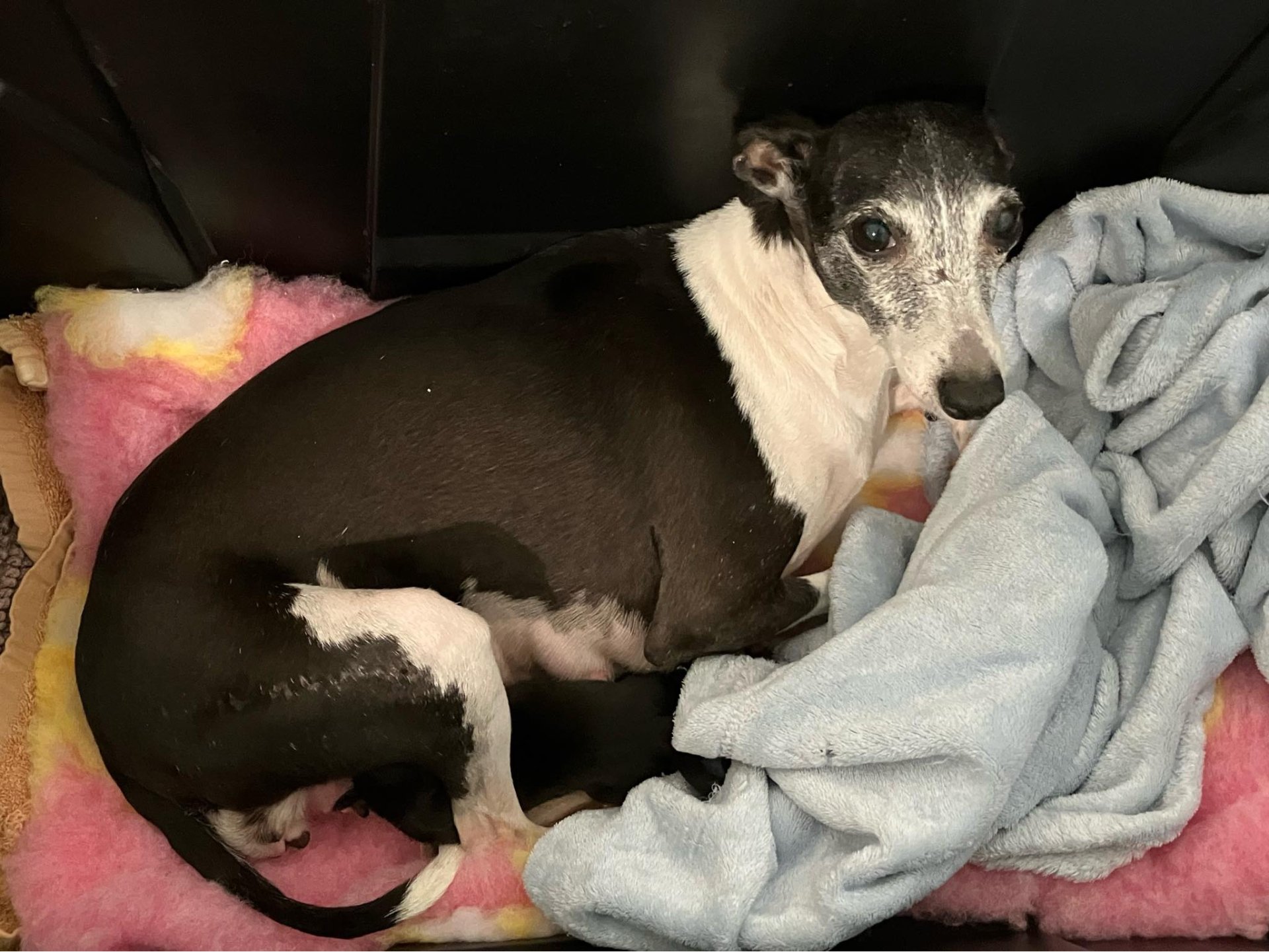
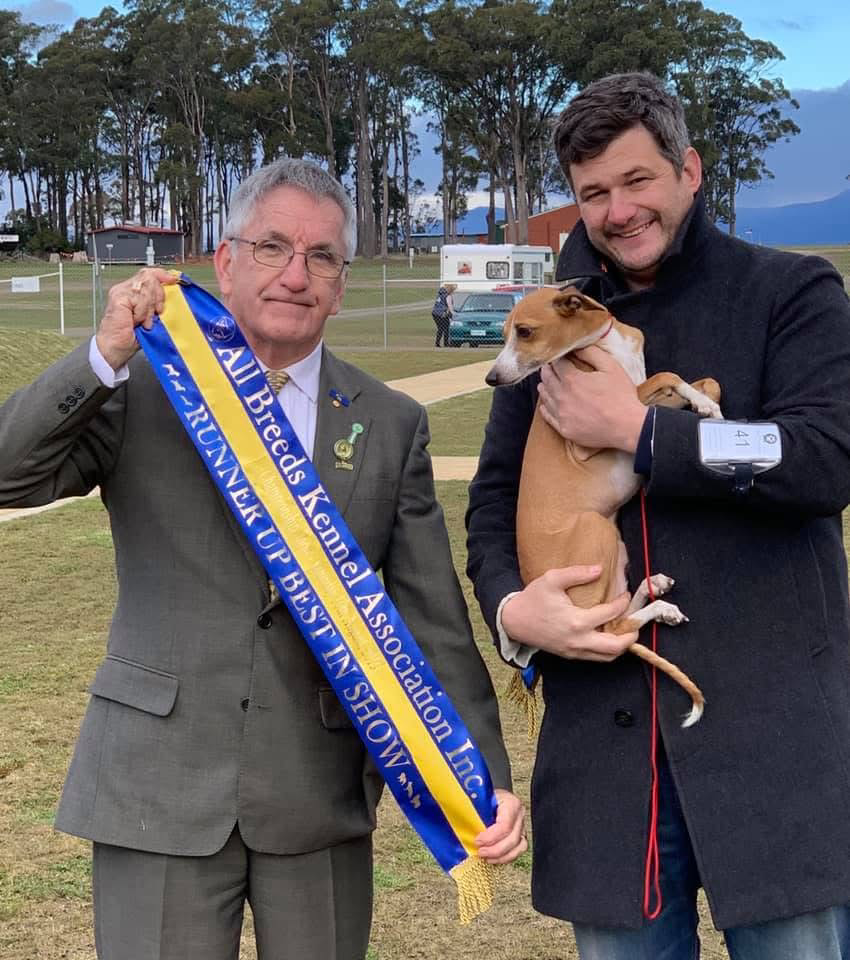
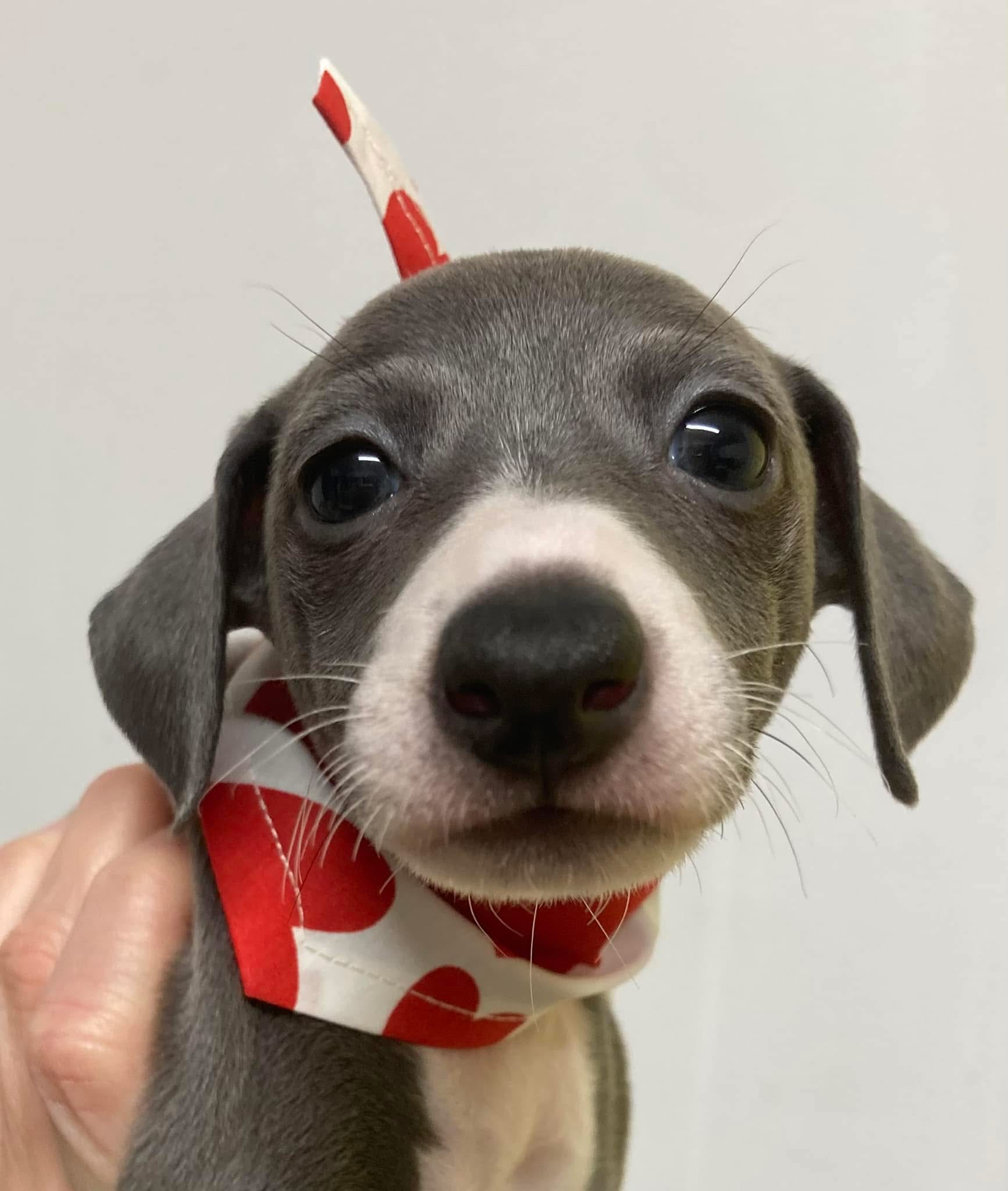
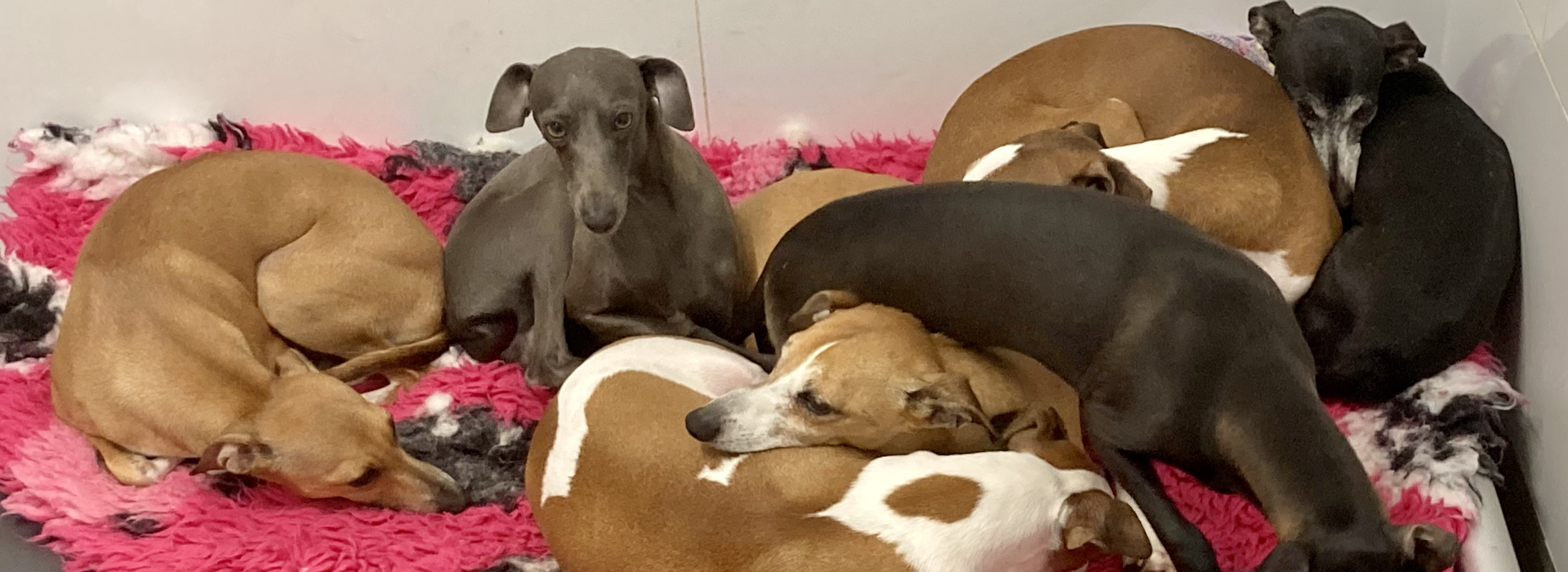
At Lasair Hungarian Vizsla, our Italian Greyhounds are bred with a focus on temperament, soundness, elegance, and companionship. We are committed to producing confident, affectionate dogs that reflect the breed's graceful character while being well socialised and suited to modern family life.
About the breed
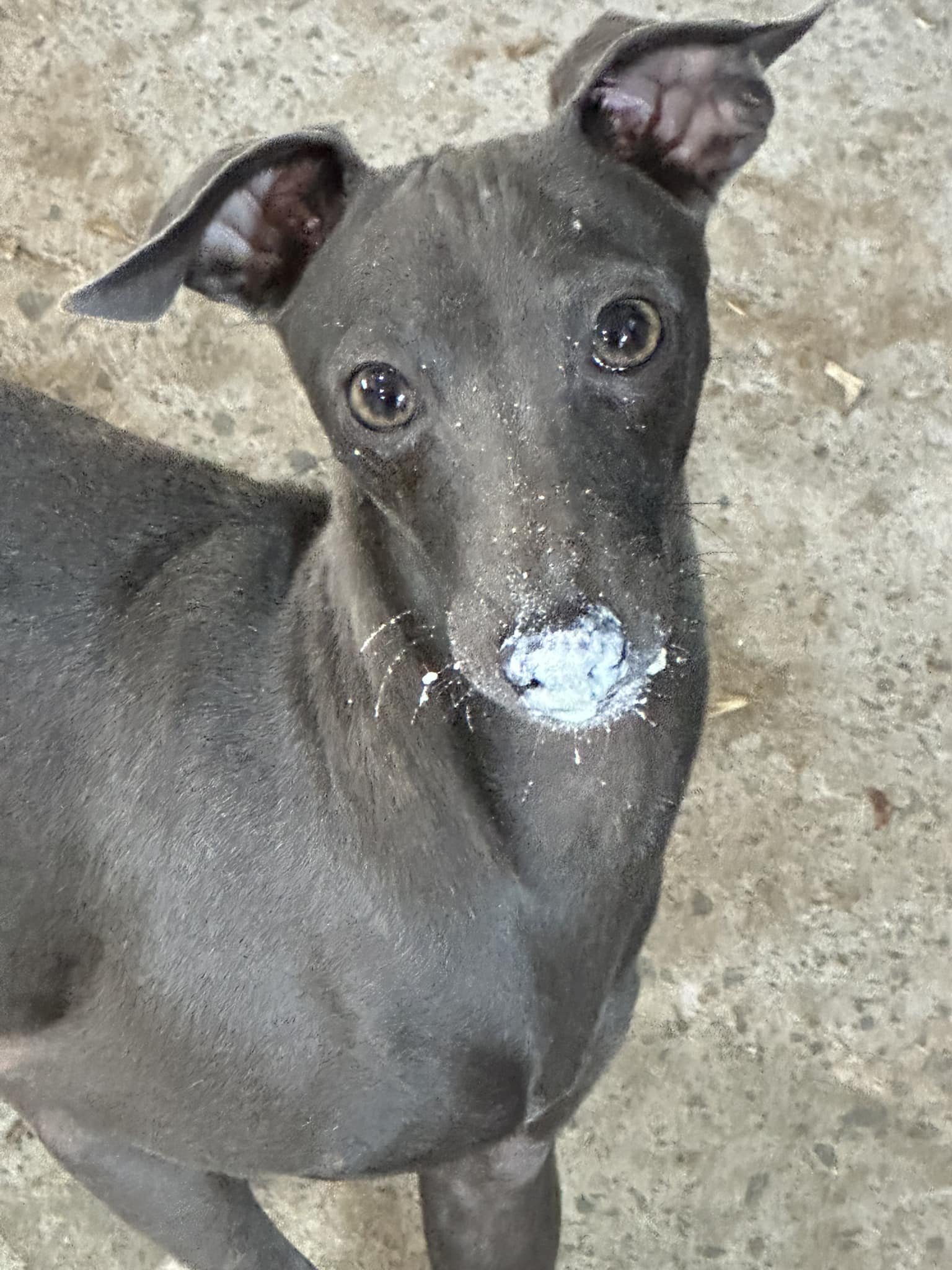
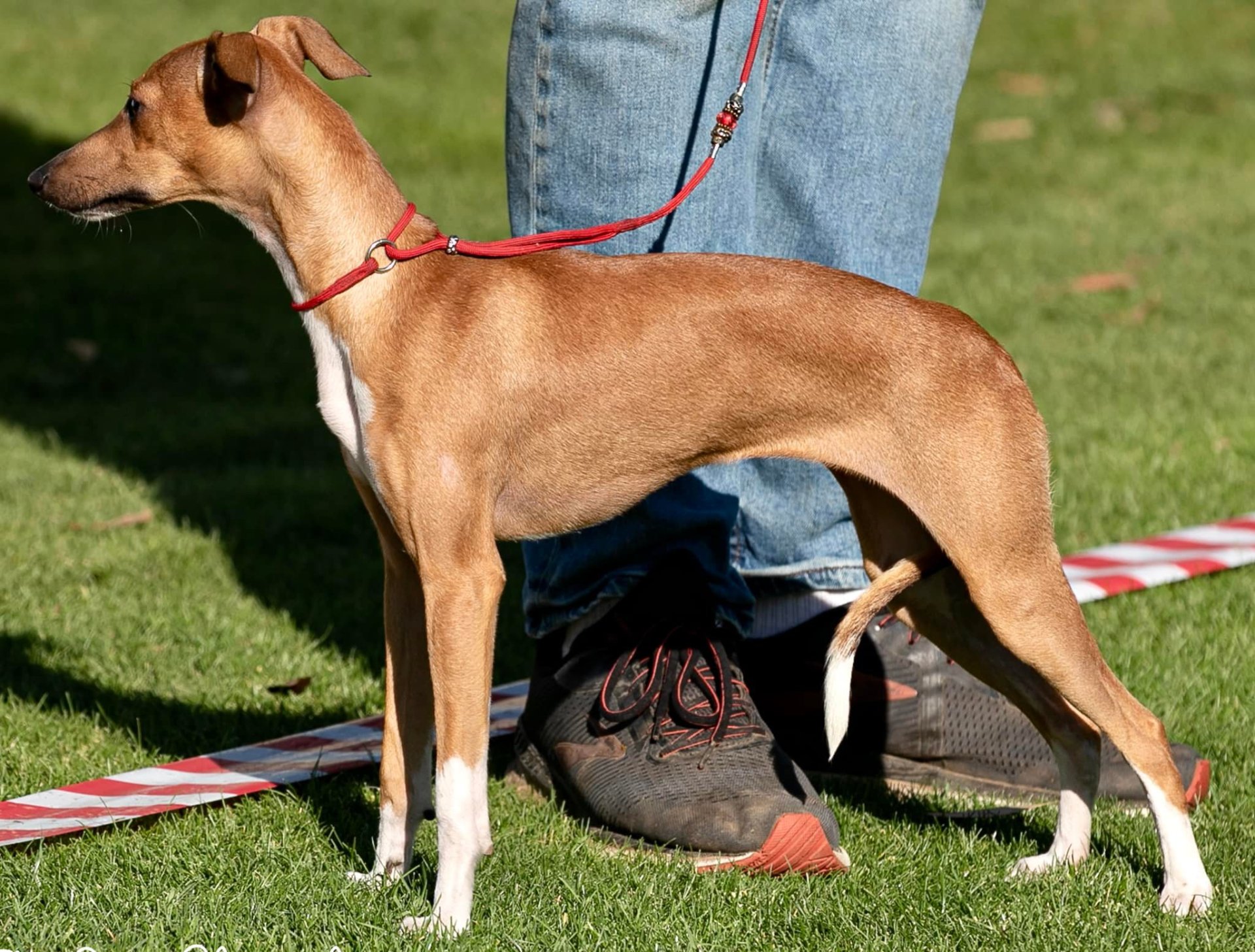
The Italian Greyhound is a graceful and affectionate companion breed with a long history dating back centuries across Europe and the Mediterranean. Originally developed as a small sighthound, the breed combines elegance and athleticism with a deeply loyal and sensitive temperament. While refined in appearance, Italian Greyhounds are playful, intelligent dogs that form exceptionally close bonds with their families and thrive when included as part of everyday life.
At Lasair Hungarian Vizsla, we focus on producing Italian Greyhounds with sound temperament, confidence, structure, and adaptability. Our dogs are raised in a home environment with a strong emphasis on early socialisation and positive development to help ensure they mature into well-rounded companions suited to modern family living.
Italian Greyhounds are highly people-oriented dogs that generally prefer companionship and closeness with their owners throughout the day. They are affectionate by nature and often seek warmth, comfort, and interaction with their family members. While gentle and sensitive, they are also intelligent dogs that benefit from consistent boundaries, positive reinforcement, and early training to build confidence.
Despite their smaller size, Italian Greyhounds are active and athletic dogs that enjoy opportunities to run, play, and explore in safe environments. They are well suited to activities such as lure coursing, short walks, interactive play, and companion sports. Prospective owners should understand that the breed can be sensitive to cold weather and harsh handling, and that they thrive best in homes where they receive regular companionship, structure, and engagement.
Health, insurance and what to plan for
Italian Greyhounds are built the way they are for a reason — the fine bone and long, light limbs are what make the breed what it is. That same build means a broken leg is a realistic possibility, particularly in the first year, and we would rather you heard it from us before you bring a puppy home than from a vet at nine o'clock on a Sunday night.
Why it happens
The bones most often affected are the radius and ulna — the two long bones of the foreleg. They are slender, and in a young Iggy they are still developing. The risk is highest between roughly four and twelve months of age, and it drops considerably once the dog is fully mature.
Most breaks are not dramatic accidents. The usual causes are ordinary household moments: jumping down from a sofa or a bed, landing badly after a leap, slipping on a polished floor, being stepped on, being dropped, or taking a knock during rough play with a larger dog.
What treatment involves
A clean fracture in an Iggy is generally not a cast-and-rest proposition. Because the bones are so fine and the blood supply to that part of the leg is limited, these fractures usually need surgical repair — a plate and screws, placed by a specialist surgeon rather than a general practice vet.
Realistically, you should budget $5,000 to $10,000 for a fracture repair, and complex or repeat surgeries can exceed that. Costs vary with where you are, whether referral to a specialist centre is required, and whether the first repair heals as it should.
Recovery is long. Expect up to twenty weeks of managed rehabilitation: strict confinement at first, then controlled lead-only movement, follow-up imaging to confirm healing, and a gradual return to normal activity. During that period the dog cannot run, jump, use stairs or play freely, and keeping a young sighthound quiet for that long is genuinely hard work.
We strongly recommend pet insurance
We recommend insurance for every Italian Greyhound we place, and we recommend it particularly strongly if this is your first dog of the breed.
A few practical points:
- Take the policy out before the puppy comes home, or on the day of collection at the latest. Anything that has already occurred, or shown early signs, will be treated as pre-existing and excluded — and that exclusion typically lasts for the life of the policy.
- Check that orthopaedic conditions and specialist referral are covered. Some cheaper policies exclude or sub-limit exactly the thing you are insuring against.
- Check the annual limit and any per-condition limit. A $3,000 annual cap will not cover a $9,000 leg.
- Check the excess and the reimbursement percentage. Eighty per cent of a $9,000 bill still leaves you $1,800 out of pocket plus the excess.
- Do not let it lapse. Re-taking a policy after a gap restarts every waiting period and re-assesses everything as pre-existing.
If you would prefer to self-insure, that is a legitimate choice — but it means having several thousand dollars genuinely available at short notice, not in theory.
Reducing the risk
None of this is inevitable, and most Iggies never break a leg. Sensible management makes a real difference:
- No jumping on or off furniture while the dog is young. Use ramps or steps, and lift the puppy up and down yourself.
- Put runners or mats on polished floors and tiles. A sighthound at speed on a slick surface is the classic set-up for an awkward landing.
- Supervise play with larger or boisterous dogs, especially during puppyhood.
- Teach children how to hold the dog — supported underneath, close to the body, and never carried around the house.
- Watch doorways and feet. A great many injuries in this breed are simply someone not seeing a small dog underfoot.
- Keep the dog lean. Excess weight loads growing bones unhelpfully.
We will talk you through all of this when you collect your puppy, and we are available afterwards for as long as you have the dog.